

Your heart beats about 100,000 times a day without you ever thinking about it. Most people never check that number until a doctor mentions it or a fitness watch flashes it on their wrist one morning. Once you start paying attention, though, you notice something strange. The number keeps changing as you get fitter. Your heart beats about 100,000 times a day without you ever thinking about it. Most people never check that number until a doctor mentions it or a fitness watch flashes it on their wrist one morning. Once you start paying attention, though, you notice something strange. The number keeps changing as you get fitter.
This article breaks down what your resting heart rate actually tells you, why it drops as your body adapts to exercise, what a healthy range looks like, and the mistakes people make when they track it. We built this guide the same way we built our ffmi calculator tool: to give you real numbers and real context, not vague advice.
Your resting heart rate is simply how many times your heart beats in one minute while your body is completely calm. Not sitting on the couch scrolling your phone with a stressful group chat open. Truly calm, ideally right after you wake up and before you get out of bed.
The heart is a muscle, and like every other muscle in your body, it changes based on how much work you ask it to do. A heart that pumps efficiently doesn’t need to beat as often to move the same amount of blood.
Think of it like two delivery trucks. One is small and has to make twenty trips to move a load of boxes. The other is bigger and stronger, so it moves the same boxes in twelve trips. Both trucks get the job done, but the bigger truck works less to do it. Your heart works the same way once it gets stronger through training.
According to the American Heart Association, a normal resting heart rate for most adults sits somewhere between 60 and 100 beats per minute, though this number shifts a lot based on fitness level, age, and even the medications a person takes.
Why Fitness Changes Your Resting Heart Rate

When you train regularly, three things happen inside your heart and blood vessels that explain the drop in resting heart rate.
Stroke volume goes up. This is the amount of blood your heart pushes out with every single beat. A trained heart’s left ventricle (the main pumping chamber) gets slightly bigger and stronger, so it pushes out more blood per beat. Since more blood moves per beat, the heart doesn’t need to beat as often.
Blood vessels become more flexible. Regular cardio exercise keeps your arteries more elastic, which lowers the resistance your heart has to push against. Less resistance means less effort per beat.
Your nervous system shifts its balance. Your body runs on two competing nervous system branches: one that speeds things up (sympathetic) and one that slows things down (parasympathetic). Endurance training tends to strengthen the calming branch, called vagal tone, which naturally pulls your resting heart rate down.
| Change From Training | What Happens In The Body | Effect on Resting Heart Rate |
|---|---|---|
| Bigger, stronger heart chamber | More blood pumped per beat | Fewer beats needed |
| More flexible arteries | Less resistance to blood flow | Heart works less per beat |
| Stronger vagal tone | Nervous system favors calm state | Lower baseline beats per minute |
Research published through the National Institutes of Health has repeatedly shown that endurance athletes often sit in the 40 to 60 beats per minute range at rest, well below the average untrained adult, simply because their hearts have adapted to move more blood with less effort.
What Counts As A Normal Resting Heart Rate
There isn’t one single “correct” number for everyone. Age, body size, fitness level, sleep quality, and even genetics all play a part. Here’s a general breakdown many clinics use as a starting point.
| Fitness Level | Typical Resting Heart Rate (bpm) |
|---|---|
| Sedentary adult | 70 to 100 |
| Moderately active adult | 60 to 80 |
| Regularly trained adult | 50 to 65 |
| Highly trained endurance athlete | 40 to 55 |
Kids and teenagers usually run higher than adults, and older adults tend to sit slightly higher too, even with good fitness, because heart tissue naturally stiffens a bit with age. The Cleveland Clinic notes that a lower resting heart rate within a healthy range is generally a sign of better cardiovascular fitness rather than a red flag.
How Long Before You See Changes
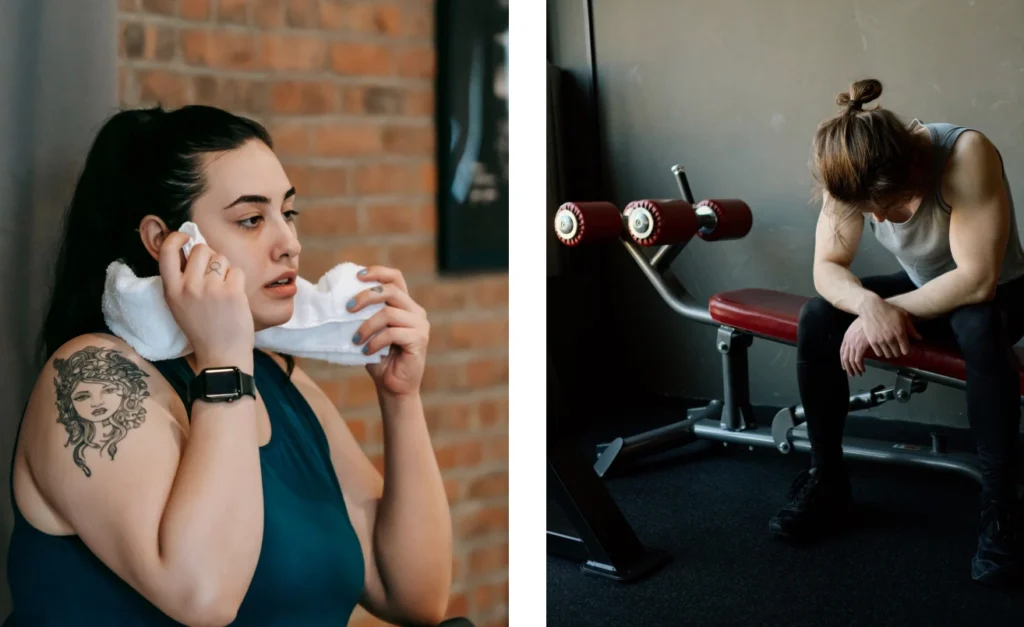
People often ask us this after using our ffmi calculator and other fitness tracking tools: how many weeks of training before the number on the wrist watch actually moves?
Here’s a rough and honest timeline based on what most training studies and coaches report.
First two weeks: Barely any change, sometimes it even goes up slightly from muscle soreness and new training stress.
Three to six weeks: Small drops start showing, usually two to five beats per minute lower.
Two to three months: Noticeable drops for most beginners, often five to ten beats per minute lower than the starting point.
Six months and beyond: The heart rate tends to level off at a new, lower baseline unless training volume keeps increasing.
This isn’t a straight line downward. Some weeks it goes up because of poor sleep, stress at work, dehydration, or a cold coming on. That’s normal. Don’t panic over a single bad morning reading.
Common Mistakes People Make When Tracking Resting Heart Rate
We see the same handful of mistakes over and over, so here they are laid out plainly.
- Checking heart rate after coffee, which artificially raises the number for an hour or two
- Measuring while anxious about an exam, deadline, or argument, which spikes readings temporarily
- Comparing your number to a friend’s without accounting for age or body size differences
- Expecting daily improvement instead of looking at weekly or monthly averages
- Wearing a fitness tracker too loosely on the wrist, which throws off the sensor reading
- Ignoring illness as a cause of a sudden jump, when a rising resting heart rate is often the earliest sign the body is fighting something off
A sports physiologist we spoke with while researching this piece put it simply: “People treat resting heart rate like a daily report card. It’s closer to a slow-moving trend line. One bad number means almost nothing on its own.”
Signs Your Fitness Is Actually Improving
A lower resting heart rate is one signal, but it rarely shows up alone. Watch for these alongside it.
| Sign of Improving Fitness | What You’ll Notice |
|---|---|
| Faster heart rate recovery | Pulse drops back to normal quicker after exercise |
| Lower heart rate at same workout pace | The same jog feels easier over weeks |
| Better sleep quality | Fewer wake-ups, deeper rest |
| Improved breathing during exercise | Less huffing at a pace that used to wind you |
Heart rate recovery is actually one of the more useful numbers to track alongside resting heart rate. It measures how fast your pulse drops in the first minute after you stop exercising. A fitter heart calms down faster. The Mayo Clinic explains that a heart rate recovery of less than 12 beats in the first minute after stopping exercise can be linked to higher health risk, while a faster drop generally points to better cardiovascular condition.
When A Low Resting Heart Rate Becomes A Concern

A lower number is usually good news, but there is a point where it stops being a fitness marker and starts being a medical question.
If your resting heart rate drops below 60 beats per minute and you are not an athlete, and you also feel dizzy, unusually tired, short of breath, or like you might faint, that combination is worth a conversation with a doctor. Athletes can sit comfortably in the 40s without any symptoms because their hearts are conditioned for it. Someone who isn’t training much but suddenly has a very low pulse alongside symptoms is a different story.
The British Heart Foundation advises that bradycardia, the medical term for an unusually slow heart rate, only becomes a problem when it comes with symptoms, not just because the number itself is low.
On the flip side, a resting heart rate that stays above 100 beats per minute consistently, called tachycardia, is also worth checking with a professional, especially if it shows up alongside chest discomfort or unusual fatigue.
How To Measure Your Resting Heart Rate Correctly
Getting an accurate reading matters more than people realize. Here’s the method most clinics and trainers recommend.
Lie down or sit quietly for at least five minutes before checking. Place two fingers, not your thumb, on your wrist or neck where you can feel a clear pulse. Count the beats for a full sixty seconds, or count for thirty seconds and double it if you’re short on patience. Morning readings, taken right after waking up and before getting out of bed, tend to be the most consistent because your body hasn’t been influenced yet by food, caffeine, or daily stress.
Fitness watches and chest strap monitors can do this automatically, and they’re generally reliable for resting heart rate tracking as long as the device fits snugly and you’re wearing it consistently at the same time each day.
Factors Besides Fitness That Affect Resting Heart Rate
Fitness is a big piece of the puzzle, but it’s not the only one. These factors can shift your number up or down regardless of how many workouts you’ve logged this month.
| Factor | Typical Effect |
|---|---|
| Caffeine | Temporary increase |
| Dehydration | Increase, since blood becomes thicker |
| Poor sleep | Increase the following day |
| Stress or anxiety | Increase |
| Certain medications (beta blockers) | Decrease |
| Body temperature or fever | Increase |
| Smoking | Long term increase |
| Alcohol the night before | Increase the next morning |
This is exactly why looking at a single day’s number rarely tells the full story. A weekly average smooths out these daily swings and gives a far more honest picture of where your fitness actually stands.
Building The Habit Of Tracking It Right
Most people who get real value from tracking resting heart rate do a few simple things consistently.
They check it at the same time every day, usually right after waking up. They write the number down somewhere, whether that’s a notebook or an app, instead of trusting memory. They look at weekly averages instead of obsessing over daily swings. They pair the number with how they actually feel, since a low number paired with exhaustion is a very different story than a low number paired with energy.
A personal trainer we consulted for this article shared a habit she recommends to every new client: “I ask people to check their pulse the moment they open their eyes, before they even check their phone. It becomes a two-second ritual, and after a month they have real data instead of guesses.”
Tips To Lower Resting Heart Rate Naturally
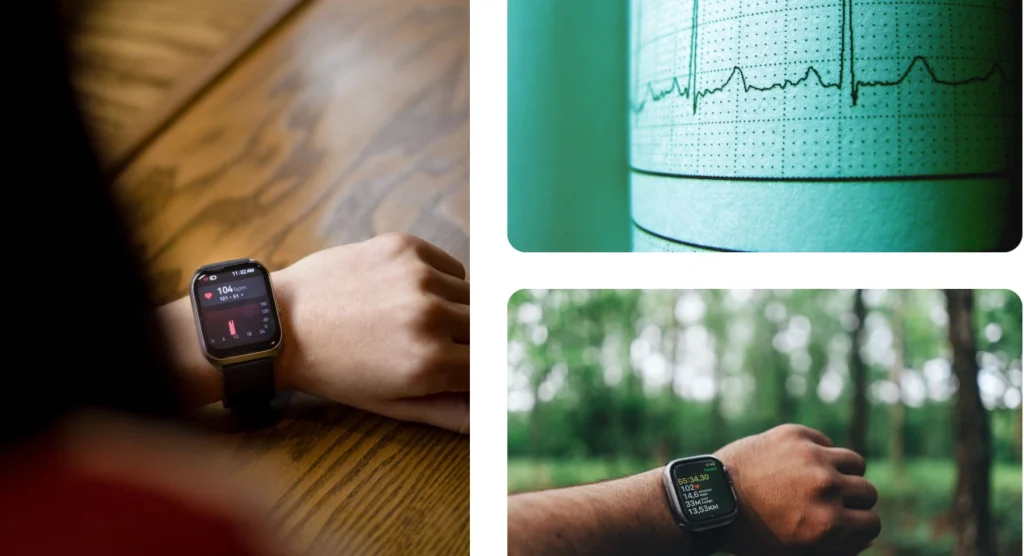
If your goal is a lower, healthier resting heart rate, these habits move the needle over time.
- Add three to five sessions of moderate cardio each week, even brisk walking counts
- Mix in some strength training, since muscle supports overall cardiovascular efficiency
- Prioritize seven to nine hours of sleep, since poor sleep keeps resting heart rate elevated
- Cut back on late caffeine, especially anything after early afternoon
- Practice slow breathing or short meditation sessions, which calm the nervous system
- Stay consistently hydrated throughout the day, not just during workouts
- Limit alcohol, since it raises heart rate the following morning even in moderate amounts
- Manage chronic stress through hobbies, therapy, or whatever genuinely works for you personally
None of these need to happen perfectly. Small, steady changes over months matter far more than one intense week followed by burnout.
How This Connects To Other Fitness Numbers
Resting heart rate doesn’t exist in isolation. It works alongside other measurements to paint a full picture of your health and progress. Body composition, muscle mass, and overall training load all interact with how your heart performs at rest. That’s part of why tools like our ffmi calculator exist alongside heart rate tracking, since fitness progress is rarely captured by a single number. Someone gaining muscle through strength training and someone building endurance through running will both see their resting heart rate shift, just through slightly different mechanisms.
For a deeper look at how heart rate zones relate to training intensity, the Harvard Health Publishing resource on target heart rate offers a solid breakdown of how to calculate personal training zones based on age and fitness goals.
A Realistic Example
Take a 34 year old who starts jogging three times a week after years of a mostly inactive lifestyle. Week one, resting heart rate sits at 78 beats per minute. By week four, small dips bring it to around 74. By month three, consistent training and better sleep habits bring it down to 68. By month eight, with strength training added twice a week, it settles around 62.
Nothing dramatic happened overnight. The heart simply adapted gradually, the same way it does for almost everyone who trains consistently and gives the body enough recovery time between sessions.
FAQs
Does a lower resting heart rate always mean better fitness? Generally yes, within a normal range, but it’s not the only marker. Someone could have a low resting heart rate from medication rather than fitness, so it’s worth looking at the full picture rather than one number alone.
How fast can resting heart rate drop with training? Most people see small drops within three to six weeks and more noticeable changes by the two to three month mark, according to typical training research and clinical observation.
Can stress alone raise resting heart rate even if I’m fit? Yes. Even highly trained people see temporary spikes during stressful periods, exam weeks, poor sleep stretches, or emotional strain, since the nervous system directly influences heart rate regardless of fitness level.
Is checking resting heart rate every day necessary? Daily checks help build a useful trend line, but weekly averages matter more than any single day. Missing a day here and there won’t ruin your data.
What’s a dangerously low resting heart rate? For non-athletes, anything below 60 combined with symptoms like dizziness, fatigue, or shortness of breath is worth checking with a doctor, according to guidance from the British Heart Foundation. Trained athletes can sit lower without any issue.
Does age affect how low resting heart rate can go with training? Yes. Younger athletes often reach lower resting rates than older athletes doing similar training, since heart tissue naturally stiffens somewhat with age, though older adults still see meaningful improvements from regular exercise.
Should I worry if my resting heart rate goes up for one week? Not usually. A single week’s rise is often linked to poor sleep, illness starting to build, stress, dehydration, or extra training fatigue. Watch the trend over several weeks rather than reacting to one week.
Should I worry if my resting heart rate goes up for one week? Not usually. A single week’s rise is often linked to poor sleep, illness starting to build, stress, dehydration, or extra training fatigue. Watch the trend over several weeks rather than reacting to one week.
Can weight loss alone lower resting heart rate? Weight loss through active means, like walking more or eating better alongside movement, often lowers resting heart rate somewhat, mainly because the heart has less tissue mass to support and because activity levels usually rise alongside weight loss.
Can weight loss alone lower resting heart rate? Weight loss through active means, like walking more or eating better alongside movement, often lowers resting heart rate somewhat, mainly because the heart has less tissue mass to support and because activity levels usually rise alongside weight loss.