

You can eat perfectly and train hard four times a week, and still stall out if your sleep is a mess. Most people chase better supplements, better programs, and better form long before they ever look at their bedtime.
At FFMI Calculator, we see this pattern constantly. Someone tracks every meal, follows a solid lifting plan, and still feels flat, weak, and slow to recover, all while running on five or six hours of sleep a night. Fix the sleep, and strength numbers often start moving again without changing a single thing in the gym.
Sleep Can Improve Strength article explains what sleep actually does for your muscles, why skipping it undoes so much hard work, and how to build a sleep routine that supports real strength and recovery, in plain language without any of the usual fluff. By the end, you should have a clear, practical picture of where sleep fits alongside training and eating, instead of treating it as an afterthought.
We are writing this because sleep is the piece almost nobody wants to hear about. It is far more exciting to talk about a new lifting program or a new supplement stack. But if the foundation underneath all of that is a handful of rough nights each week, progress tends to stall in ways that no amount of extra effort in the gym can fix.
Why Sleep Gets Ignored in Most Fitness Plans
Training and eating feel like things you are doing. Sleep feels like something that just happens. That difference is probably why sleep gets treated as optional while workouts and meal plans get all the attention.
The Habit Gap Between Training and Rest
Most beginners track their workouts and sometimes their meals, but almost nobody tracks their sleep the same way.
- People plan workouts weeks in advance, but rarely plan a consistent bedtime
- Late nights get blamed on work or scrolling, not connected to poor recovery the next day
- Feeling tired gets treated as normal instead of a warning sign
- Supplements get bought to fix fatigue that sleep would fix for free
Once sleep gets treated as part of training instead of separate from it, a lot of unexplained plateaus start making sense. It is often the missing piece that no amount of extra sets or extra protein shakes can replace.
What Actually Happens in Your Body While You Sleep Can Improve Strength
Sleep is not just your body switching off. It moves through distinct stages, and each one plays a different role in recovery.
| Sleep Stage | What Happens | Why It Matters for Training |
|---|---|---|
| Light sleep | Body relaxes, heart rate slows | Transition stage, still useful but less intense repair |
| Deep sleep (slow-wave sleep) | Growth hormone release, tissue repair | Main stage for muscle recovery and physical repair |
| REM sleep | High brain activity, memory processing | Supports motor skill learning and mental sharpness for training |
Deep Sleep and Growth Hormone
Deep sleep is where most of the physical repair work happens. This is the stage most closely tied to muscle recovery after a hard training session.
Growth hormone release increases sharply during deep sleep, and this hormone plays a direct role in repairing the microscopic muscle damage caused by lifting weights. Cutting sleep short, even by an hour or two, can reduce the amount of time spent in this stage, which means less repair time for the muscles you just trained.
How Sleep Loss Affects Strength and Muscle Growth
This is where sleep stops being a nice-to-have and becomes something that directly affects your results in the gym.
A study published in Physiological Reports found that sleep deprivation raised plasma cortisol by 21 percent and lowered plasma testosterone by 24 percent after just one night without sleep. That hormonal shift alone works against muscle repair and growth, and it happened after only a single missed night, not weeks of poor sleep.
| Factor | Well-Rested State | Sleep-Deprived State |
|---|---|---|
| Testosterone | Normal levels supporting muscle repair | Reduced, weakening the anabolic environment |
| Cortisol | Balanced, follows a normal daily pattern | Elevated, promotes muscle breakdown |
| Strength output | Consistent with training level | Often reduced, especially in max effort lifts |
| Recovery speed | Faster return to full strength | Slower, with lingering soreness and fatigue |
The same research found that one night without sleep was enough to reduce postprandial muscle protein synthesis by 18 percent, which means the body was noticeably worse at using protein from food to repair muscle tissue.
Why One Bad Night Is Different From a Pattern of Bad Nights
A single rough night of sleep before a workout is not something to panic over. Your body has some buffer, and one off night rarely undoes weeks of consistent training.
- Occasional short sleep mainly affects that day’s performance and mood
- Repeated short sleep over weeks builds up into a real recovery deficit
- Chronic sleep restriction changes hormone patterns in a way single nights usually do not
- Athletes who consistently under-sleep tend to plateau even with excellent training programs
How Many Hours You Actually Need for Recovery
Sleep needs vary by person, but general ranges give a useful starting point for anyone trying to build strength or recover from regular training.
| Group | Recommended Sleep |
|---|---|
| General adults | At least 7 hours per night |
| Adults doing regular strength training | 7 to 9 hours per night |
| Athletes with high training volume | 8 to 10 hours per night, sometimes with naps |
The CDC recommends adults get at least 7 hours of sleep each night to support overall health, and the Sleep Foundation places the ideal range for most healthy adults between 7 and 9 hours. People training hard several times a week often land at the higher end of that range, or slightly beyond it.
Sleep and Athletic Performance: What the Research Shows
The connection between sleep and physical performance is not just theory. Real studies on athletes back it up clearly.
The Sleep Foundation has reported that sleep-deprived athletes showed slower sprint times and reduced accuracy compared to their well-rested performance in controlled studies. This pattern shows up across different sports, not just one specific type of training.
Mayo Clinic Health System has pointed out that basketball players who were sleep deprived saw a noticeable drop in shooting accuracy, while those getting ten or more hours of sleep saw accuracy improve. Strength training may not involve shooting a basketball, but the underlying pattern, that sleep directly affects physical output, holds true across activities.
Why This Matters More for Strength Training Specifically
Strength gains depend heavily on the body’s ability to repair and rebuild muscle tissue between sessions. Endurance sports rely more on cardiovascular capacity, while strength training success depends almost entirely on the quality of the recovery window between workouts.
This is one reason lifters sometimes notice sleep issues showing up as stalled numbers before they notice it anywhere else. A missed personal record or a set that suddenly feels much harder than it should is often the first visible sign of a recovery problem.
Sleep Debt and the Hidden Injury Risk
Most people connect poor sleep to feeling tired. Fewer connect it to actually getting hurt during training, but the research on this is fairly consistent.
- Reaction time slows noticeably after short or fragmented sleep
- Coordination and balance both decline with sleep debt, raising the chance of a missed lift or bad form
- Fatigue from poor sleep can mask early warning signs of overtraining, since everything already feels harder than it should
- Athletes who consistently sleep less report higher rates of minor strains and setbacks over a season
None of this means one tired morning guarantees an injury. It means training on a sleep deficit stacks extra risk on top of whatever your program already asks of your body.
Recognizing When Fatigue Is a Sleep Problem, Not a Training Problem
It is easy to blame a bad training week on programming or motivation when the real issue is upstream. A few questions can help sort out which one is actually happening.
- Has your bedtime shifted later over the past two or three weeks
- Are you waking up during the night more often than usual
- Do you feel groggy for hours after waking, even after seven or eight hours in bed
- Has your resting heart rate crept up compared to your normal baseline
Answering yes to two or more of these is usually a stronger signal that sleep, not training volume, is the real problem to fix first.
How Sleep Needs Differ Across Training Styles
Not every type of training places the same demand on recovery, and sleep needs shift a little depending on what you are doing.
| Training Style | Typical Recovery Demand | Sleep Priority |
|---|---|---|
| Heavy strength training | High, especially for large compound lifts | High, since muscle repair depends heavily on deep sleep |
| Bodybuilding-style high volume training | High, due to accumulated muscle fatigue | High, with attention to consistent nightly duration |
| Endurance training | Moderate to high, more systemic fatigue | High, plus attention to glycogen restoration overnight |
| Light general fitness training | Lower overall demand | Still benefits from consistent sleep, though margin for error is a little wider |
People doing heavier strength work or high training volume tend to notice sleep issues faster than casual exercisers, simply because their recovery demands leave less room for error. Someone training lightly a couple of times a week can often absorb an occasional short night without much consequence, while someone deadlifting heavy three or four times a week usually feels the effects within days.
Common Sleep Mistakes That Quietly Hurt Recovery
A handful of habits repeatedly undercut sleep quality for people who are otherwise training hard and eating well.
- Staying up late scrolling on a phone right before bed
- Drinking coffee or energy drinks too late in the afternoon
- Training very late at night, which can leave the body too alert to fall asleep quickly
- Inconsistent bedtimes that shift by hours between weekdays and weekends
- Treating sleep as flexible and disposable when the schedule gets busy
- Assuming naps can fully replace lost nighttime sleep
- Using alcohol as a way to fall asleep faster, even though it reduces sleep quality later in the night
None of these mistakes are dramatic on their own. The problem is that they tend to stack, and small nightly sleep debt adds up into a real recovery problem within a couple of weeks. Most people do not notice the buildup until strength numbers start slipping or soreness starts lasting longer than usual.
How to Build a Sleep Routine That Supports Training
A consistent routine does more for sleep quality than almost any single trick or supplement.
- Go to bed and wake up at roughly the same time every day, including weekends
- Keep the bedroom cool, dark, and quiet
- Stop caffeine intake at least six hours before bedtime
- Put screens away thirty minutes before bed, since blue light can delay natural sleepiness
- Avoid heavy meals or intense workouts in the final hour before bed
- Use a wind-down routine, like light stretching or reading, to signal to your body that sleep is coming
None of these tips are complicated, but very few people actually follow all of them consistently. Doing even three or four of them regularly tends to make a noticeable difference within a couple of weeks.
Naps: Helpful or Harmful for Recovery
Naps can genuinely help on days when nighttime sleep fell short, but they are not a perfect substitute for a full night’s rest.
- A short nap of twenty to thirty minutes can restore alertness without leaving you groggy
- Longer naps closer to bedtime can make it harder to fall asleep that night
- Naps work best as a backup tool, not a regular replacement for consistent nighttime sleep
- Athletes with very high training loads sometimes use naps intentionally as part of a planned recovery schedule
If naps become a daily requirement just to function, that is usually a sign nighttime sleep needs attention rather than a sign naps are working as intended.
Getting the Most Out of a Recovery Nap
If you do nap, a few small adjustments make it more useful and less likely to interfere with nighttime sleep.
- Keep naps earlier in the day, ideally before mid-afternoon
- Set an alarm so a short nap does not accidentally turn into a long one
- Nap in a dim, quiet space rather than somewhere bright and noisy
- Treat naps as an occasional recovery tool, not a daily crutch built around poor nighttime habits
Sleep, Muscle, and FFMI: Why Tracking Matters
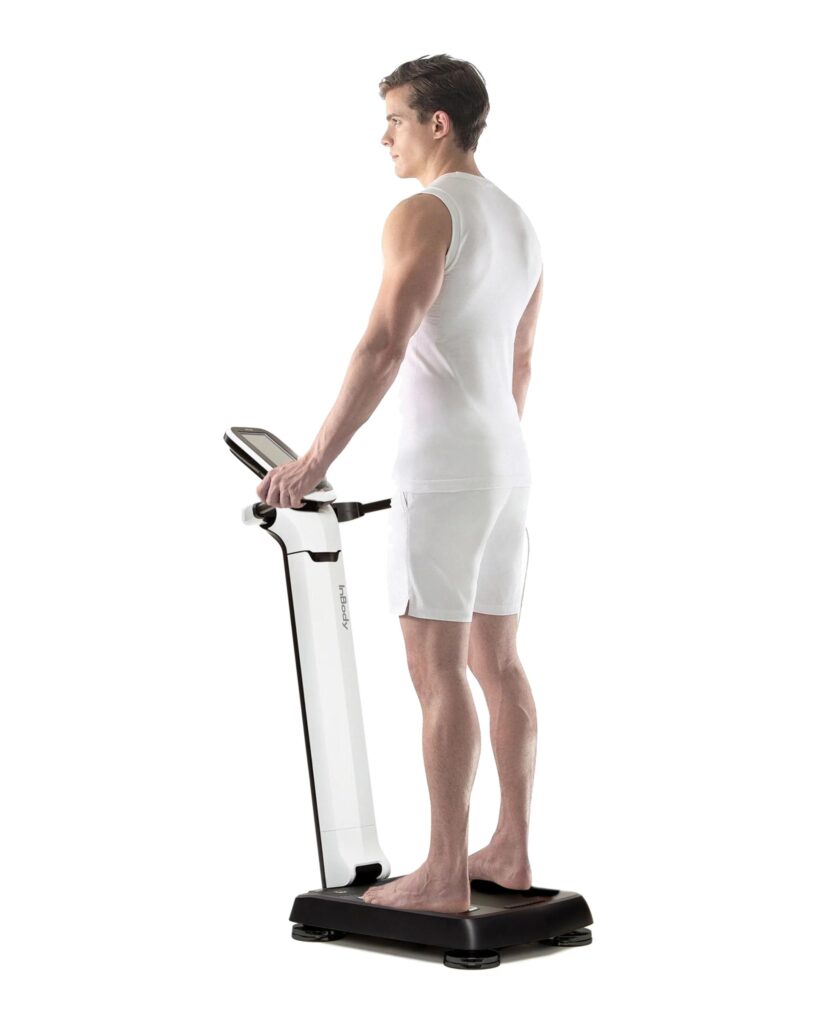
Poor sleep does not just make you tired. Over time, it can quietly work against the muscle you are trying to build, even if your training and diet look solid on paper.
This connects directly to something we talk about often at FFMI Calculator. If your fat free mass index stalls or slips backward despite consistent training, sleep is one of the first places worth checking, especially if cortisol-driven muscle breakdown has been working against you for weeks without you realizing it.
Tracking your FFMI every few weeks alongside your sleep habits gives a much clearer picture than the scale alone. A lifter getting seven to nine hours a night will generally see steadier lean mass progress than one running on constant sleep debt, even with identical training programs.
It also helps to notice the timing. If your FFMI stalls or drops during a stretch where sleep has clearly been worse, that pattern is worth paying attention to before assuming your training program itself needs a complete overhaul. Sometimes the fix is not a new split or a new set of exercises, it is simply getting back to a consistent bedtime for a few weeks.
Foods and Habits That Support Better Sleep
What you do during the day has a real effect on how well you sleep at night, especially in the hours leading up to bedtime.
- Getting natural sunlight earlier in the day helps regulate your body’s internal clock
- Regular exercise, done earlier rather than right before bed, tends to improve sleep quality
- Limiting alcohol close to bedtime, since it disrupts sleep in the second half of the night
- Eating a reasonably sized dinner rather than a very heavy or very late meal
- Staying hydrated throughout the day, but easing off fluids in the hour before bed to avoid waking up
None of these habits guarantee perfect sleep every night, but stacked together they remove a lot of the common reasons sleep quality suffers. Most people only need to fix two or three of these to notice a real improvement within a week or two.
A Simple Nightly Routine for Lifters and Athletes
This routine works well for anyone training regularly and trying to protect their recovery without overcomplicating things.
- Set a fixed wind-down time, roughly one hour before bed
- Dim household lights and put screens away during that hour
- Do light stretching or a few slow breathing exercises
- Keep the bedroom temperature on the cooler side
- Avoid checking training logs, emails, or notifications once the wind-down period starts
A routine like this does not need to be followed perfectly every single night. Doing it most nights of the week is usually enough to see a real difference in how recovered you feel during training.
FAQs
Can poor sleep really stop me from building muscle even if my diet and training are perfect?
Ans: Yes, poor sleep can lower testosterone, raise cortisol, and reduce muscle protein synthesis, all of which work against muscle growth even with excellent training and nutrition.
How many hours of sleep do I need if I lift weights regularly?
Ans: Most people who train regularly do well with 7 to 9 hours a night, and some with very high training volume benefit from slightly more.
Does one bad night of sleep ruin a workout the next day?
Ans: It can reduce strength and focus slightly, but one poor night usually will not undo weeks of consistent training. Repeated poor sleep over time is the bigger concern.
Are naps a good substitute for a full night of sleep?
Ans: Naps help in the short term, but they are not a full substitute for consistent nighttime sleep. Regular short naps used alongside good nighttime habits work better than relying on naps alone.
Does training late at night hurt sleep quality?
Ans: For many people, intense training too close to bedtime can make it harder to fall asleep quickly. Finishing workouts a few hours before bed tends to work better for most.
Should I track my sleep the same way I track my workouts?
Ans: It can help. Noticing patterns between poor sleep nights and weaker training sessions makes it much easier to understand what is actually holding back your progress.
Can better sleep improve my FFMI over time?
Ans: Better sleep supports the hormonal environment needed for muscle repair and growth, which can help protect and build lean mass over time, especially when tracked alongside your fat free mass index.
Is it worse to sleep too little or to sleep at inconsistent times?
Ans: Both cause problems, but inconsistent sleep timing can be just as disruptive as short sleep duration, since it confuses the body’s internal clock and can affect hormone release patterns tied to recovery. Keeping a steady schedule, even on weekends, tends to pay off more than people expect.