
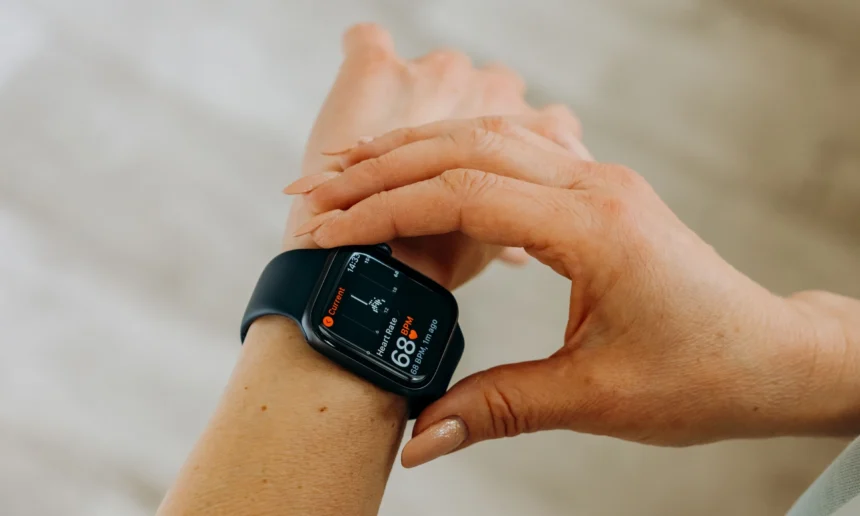
Your heart is a muscle. Like any muscle, it gets stronger with training. When it gets stronger, it does not have to work as hard to pump blood around your body. That is the short answer to why your resting heart rate drops as you get fitter. Resting heart rate changes as Fitness Improves.
But there is a lot more to this story. Some people see their resting heart rate drop fast. Others barely notice a change for months. Some people get confused when their heart rate goes up on certain days even though they are training hard. This article will walk you through all of it in plain, simple words.
If you also track your body composition alongside your heart health, tools like an ffmi calculator can help you see the full picture of your fitness progress, not just cardio fitness but muscle mass too. We will talk more about that connection later.
What Resting Heart Rate Actually Means
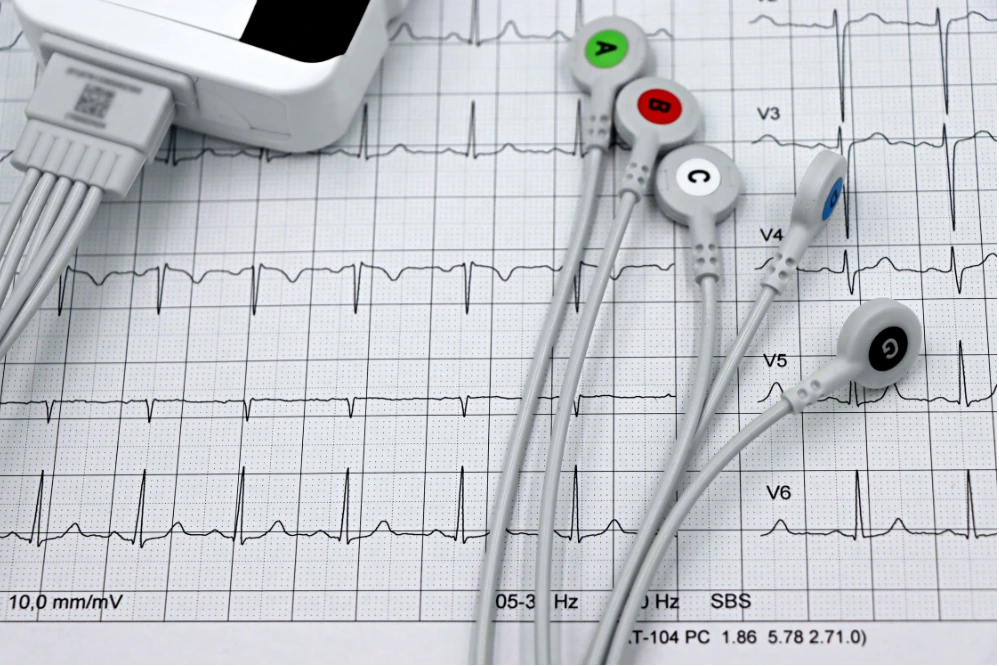
Resting heart rate is simply how many times your heart beats in one minute while you are completely still. Not walking, not talking, not stressed. Just sitting or lying down quietly.
Most healthy adults have a resting heart rate somewhere between 60 and 100 beats per minute. That is the normal range doctors use. But normal does not mean ideal.
According to the American Heart Association, a normal resting heart rate is 60 to 100 beats per minute. Athletes often sit much lower than that, sometimes in the 40s.
Here is a simple table to help you understand where you might fall:
| Fitness Level | Typical Resting Heart Rate (bpm) |
|---|---|
| Untrained adult | 70 to 90 |
| Regular exerciser | 60 to 75 |
| Well trained athlete | 50 to 60 |
| Elite endurance athlete | 40 to 50 |
These numbers are general guides. Your own number depends on age, genetics, stress levels, sleep, and even the weather.
Why the Heart Slows Down as You Get Fitter
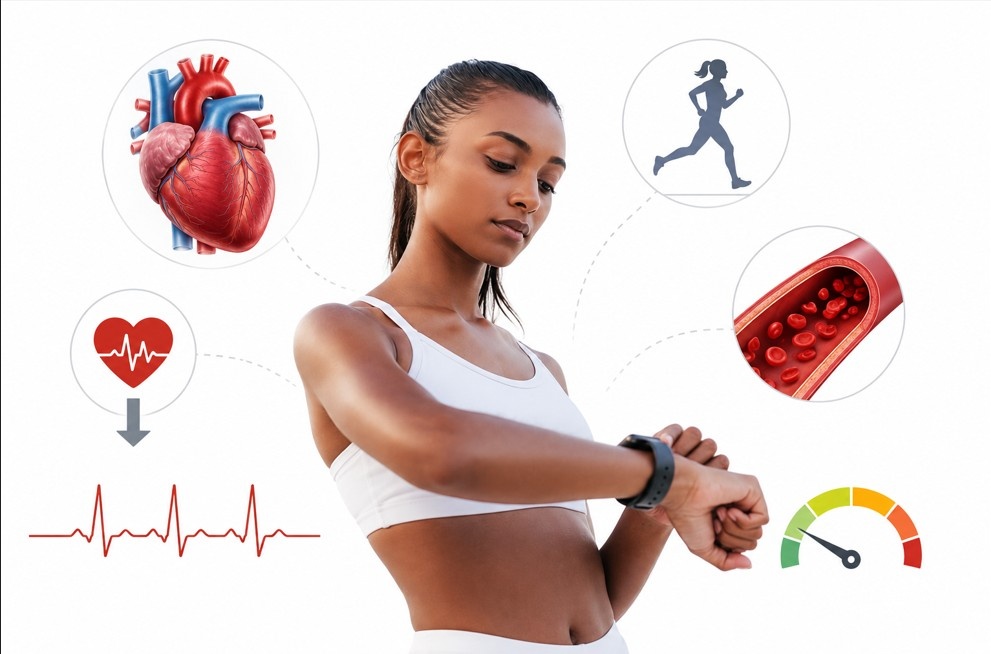
Think of your heart like a bucket. A weak heart is like a small bucket. It has to scoop water many times to fill a tub. A strong heart is like a big bucket. It scoops once and moves a lot more water in that one scoop.
When you train, especially with cardio work like running, cycling, or swimming, your heart muscle grows in size and strength. This is called cardiac hypertrophy in fitness terms, but you do not need to remember that word.
What matters is this: a stronger heart pushes out more blood with each single beat. This is called stroke volume. When stroke volume goes up, your heart does not need to beat as often to deliver the same amount of oxygen to your muscles and organs.
So your resting heart rate drops. Not because your heart is weaker or lazier. Because it got more efficient.
The Blood Volume Factor
Training also increases the total amount of blood in your body. More blood means more oxygen-carrying capacity. Your heart does not have to rush to keep up with demand.
This is one reason why cyclists and marathon runners often have resting heart rates lower than 50 beats per minute. Their hearts and blood systems have adapted over years, not weeks.
The Nervous System Connection
Your heart rate is controlled by two systems working against each other. One is called the sympathetic nervous system, which speeds things up. The other is the parasympathetic system, which slows things down.
As fitness improves, the parasympathetic system becomes more dominant at rest. This means your body relaxes faster and stays calm more easily, even outside of workouts.
How Fast Does Resting Heart Rate Actually Drop
This is where people get impatient. They expect results in a week. Real change takes longer.
Based on common patterns seen in personal training and coaching experience, here is a rough timeline:
- First two to four weeks: little to no visible change, but internal adaptations are starting
- One to three months: a drop of three to seven beats per minute is common for beginners
- Three to six months: continued drop, especially with consistent cardio training
- Six months and beyond: changes slow down but continue gradually for years in dedicated athletes
I have coached beginners who started at 82 beats per minute and were sitting at 68 after four months of regular walking and light jogging. That is a real, common result, not an exaggeration.
Common Mistakes People Make When Tracking resting heart rate changes as fitness improves
A lot of people misread their heart rate numbers and get discouraged for no good reason. Here are mistakes I see often.
Checking heart rate right after waking up but after moving around. Your true resting heart rate should be measured while still lying in bed, before getting up or checking your phone.
Ignoring sleep quality. Poor sleep raises resting heart rate the next day, even if your fitness is improving. One bad night can add five to ten beats per minute temporarily.
Not accounting for stress or caffeine. A stressful morning or a strong coffee can spike your numbers and make it look like your fitness dropped when it did not.
Comparing yourself to elite athletes. Seeing a professional cyclist with a 38 bpm resting heart rate and expecting the same result in three months is unrealistic and unfair to yourself.
Only doing cardio and ignoring strength training. Muscle mass and cardiovascular fitness both matter for overall heart health, and skipping one limits progress.
Factors That Affect Resting Heart Rate Beyond Fitness
Fitness is a big piece of the puzzle, but not the only piece. Other things change your numbers too.
- Age tends to raise resting heart rate slightly as we get older
- Body temperature increases heart rate, so fever or hot weather can raise it
- Dehydration makes the heart work harder to move thicker blood
- Certain medications like beta blockers lower heart rate artificially
- Anxiety and chronic stress keep resting heart rate elevated
- Smoking raises resting heart rate and reduces oxygen efficiency
- Alcohol the night before can raise your morning heart rate noticeably
The Mayo Clinic notes that factors like air temperature, body position, emotions, body size, and medications can all affect heart rate.
Resting Heart Rate and Body Composition
Here is something people rarely talk about. Your body composition, meaning how much muscle versus fat you carry, plays a role in how your heart performs at rest.
Carrying extra body fat means your heart has to pump blood through more tissue, even tissue that does not need much oxygen. This extra workload can keep your resting heart rate higher than it should be.
As you build lean muscle and lose excess fat, your heart’s job becomes easier. This is one reason fitness coaches often recommend tracking more than just heart rate. Tools such as an ffmi calculator let you measure your fat-free mass index, giving you a clearer view of muscle development relative to your height and weight.
Pairing your ffmi calculator results with your resting heart rate trends over time paints a much fuller picture than either number alone.
How Different Types of Training Affect Your Heart Rate Differently
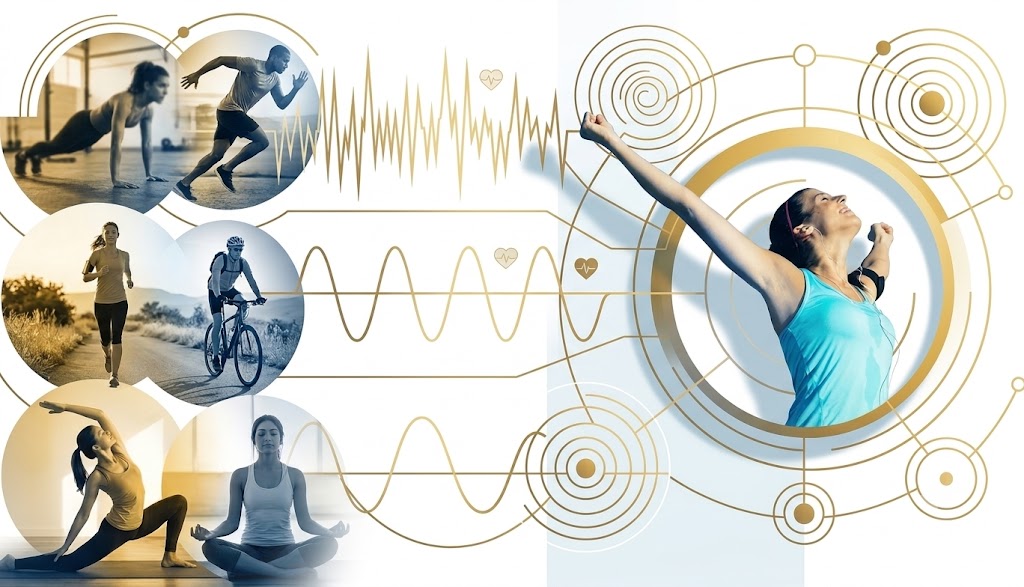
Not all exercise affects your resting heart rate the same way. This surprises a lot of beginners.
| Training Type | Effect on Resting Heart Rate | Timeframe |
|---|---|---|
| Steady cardio (jogging, cycling) | Strong, consistent decrease | Weeks to months |
| High intensity interval training | Moderate decrease, faster in some cases | Weeks to months |
| Strength training only | Small or minimal decrease | Months |
| Yoga and breathing focused work | Mild decrease through stress reduction | Weeks |
| Mixed training (cardio plus strength) | Best overall results | Months |
Steady, longer duration cardio tends to produce the biggest drops in resting heart rate because it directly trains the heart’s pumping capacity over extended periods.
Strength training alone builds muscle and improves overall health, but it does not train the heart’s endurance system the same way. That is why a mixed approach usually works best.
Real World Example
A client I worked with, a 34 year old office worker, started at a resting heart rate of 78 bpm. He had never run before and could barely jog for five minutes without stopping.
We started with three days a week of brisk walking, moving to light jogging over six weeks. By month two, his resting heart rate was 71. By month four, doing three days of jogging and two days of light strength work, he hit 63.
He did not do anything extreme. No fancy programs. Just consistency, patience, and gradually increasing effort. This is the normal path, not the exception.
Signs Your Resting Heart Rate Drop Is a Good Sign
A lower resting heart rate from training is usually a good thing, but context matters. Here is how to tell it is a healthy adaptation and not a warning sign.
- You feel more energetic during the day, not tired
- Your workouts feel easier at the same intensity level
- You recover faster after exercise
- Your sleep quality has also improved
- You do not feel dizzy, weak, or lightheaded
If your resting heart rate drops very low, below 40 beats per minute, and you also feel dizzy, fatigued, or short of breath, that is different. That combination needs a doctor’s attention, not celebration.
The Cleveland Clinic explains that a heart rate below 60 beats per minute, called bradycardia, is not necessarily dangerous, especially in athletes, but can sometimes signal an underlying issue if symptoms are present.
When a Lower Heart Rate Might Signal a Problem
This section matters because people sometimes assume lower is always better. That is not always true.
Warning signs to watch for alongside a low resting heart rate include:
- Fainting or near fainting episodes
- Chest pain or pressure
- Extreme fatigue that does not improve with rest
- Confusion or difficulty concentrating
- Shortness of breath during normal daily activities
If any of these show up, a low resting heart rate is not something to celebrate. It is something to get checked by a medical professional.
How to Track Your Progress Properly
Tracking resting heart rate correctly makes a huge difference in understanding your real progress. Here is a simple method that works well.
Measure your heart rate first thing in the morning, while still lying down, before checking your phone or getting out of bed. Use either a heart rate monitor, a fitness watch, or manually count your pulse for sixty seconds.
Write the number down daily if possible, but focus on weekly averages instead of single day numbers. A single day can be thrown off by stress, poor sleep, or illness.
- Track for at least two weeks before drawing conclusions
- Compare monthly averages rather than daily numbers
- Note any unusual days like poor sleep or high stress separately
- Combine heart rate data with other markers like body composition and endurance levels
Many people who track their fitness also track lean mass gains using an ffmi calculator alongside their heart rate numbers. Seeing both improve together confirms that your training approach is working from multiple angles.
Age and Resting Heart Rate Changes
Age changes what is realistic to expect. A 25 year old and a 60 year old will not see identical results from the same training program.
| Age Group | Typical Resting Heart Rate Range | Expected Improvement With Training |
|---|---|---|
| 20 to 30 | 60 to 80 | Can drop 10 to 15 bpm over months |
| 31 to 45 | 62 to 82 | Can drop 8 to 12 bpm over months |
| 46 to 60 | 65 to 85 | Can drop 6 to 10 bpm over months |
| 60 plus | 65 to 88 | Can drop 5 to 8 bpm, slower pace |
Older adults still see real benefits from training, just at a slower pace and often with smaller total drops. This is completely normal and still worth the effort for overall heart health.
The Harvard Health Publishing team notes that regular aerobic exercise strengthens the heart muscle and can lower resting heart rate over time, benefiting people at nearly any age.
Simple Habits That Support a Healthy Resting Heart Rate
Training is the biggest factor, but daily habits matter too. Here are habits that genuinely help.
- Sleep seven to nine hours consistently, since poor sleep raises resting heart rate
- Stay hydrated throughout the day, not just during workouts
- Limit caffeine intake later in the day
- Practice slow breathing exercises for a few minutes daily
- Reduce alcohol consumption, especially close to bedtime
- Manage stress through walks, hobbies, or simple relaxation time
None of these require expensive equipment or complicated routines. Small, consistent habits add up over months.
How Long Until You See a Noticeable Drop
People always ask for an exact number of days. There is no single answer because everyone’s body responds differently.
Generally, expect the first noticeable change around week four to six of consistent training. A drop of even two to three beats per minute at that point is a good sign your body is adapting.
By month three, most beginners see a meaningful and steady drop, often between five and ten beats per minute total from where they started. This is a reasonable expectation for someone training three to four times per week.
Beyond six months, changes become smaller and slower, but they still happen for years in people who keep training consistently and increase intensity over time.
FAQs About Resting Heart Rate and Fitness
Is a resting heart rate of 50 good or bad? For someone who trains regularly, especially in endurance sports, 50 beats per minute is often a great sign of fitness. For someone who does not train and has no symptoms, it might still be normal, but it is worth mentioning to a doctor if it comes with dizziness or fatigue.
Can resting heart rate go up even when fitness improves? Yes, temporarily. Poor sleep, illness, stress, dehydration, or overtraining can all raise your resting heart rate even while your overall fitness is improving. Look at trends over weeks, not single days.
Does strength training lower resting heart rate as much as cardio? Not usually to the same degree. Cardio training has a stronger direct effect on resting heart rate because it trains the heart’s pumping efficiency more directly. Strength training still helps overall health and can contribute a smaller improvement.
What is considered a dangerously low resting heart rate? Generally, below 40 beats per minute combined with symptoms like dizziness, fainting, or extreme fatigue needs medical attention. Without symptoms, some trained athletes sit comfortably below 40 with no issues.
How does body fat affect resting heart rate? Carrying more body fat generally makes the heart work harder at rest, which can keep resting heart rate higher. Losing excess fat while building muscle, something you can track with tools like an ffmi calculator, often supports a healthier resting heart rate over time.
Should I worry if my resting heart rate does not drop after months of training? Not necessarily worry, but it is worth reviewing your sleep, stress levels, hydration, and training consistency. Some people also naturally have a higher baseline due to genetics, and that is okay as long as other health markers look good.
Does age make it impossible to lower resting heart rate? No. Older adults can still lower their resting heart rate with consistent training, just usually at a slower pace and smaller total change compared to younger people.
External sources referenced in this article:
American Heart Association: heart.org Mayo Clinic: mayoclinic.org Cleveland Clinic: my.clevelandclinic.org Harvard Health Publishing: health.harvard.edu