

You finished your first real workout in months, felt fine that night, and then woke up the next morning unable to sit down on the toilet without groaning. If that sounds familiar, you already know what muscle soreness feels like. What most people do not know is what it actually means.
At FFMI Calculator, we hear the same two questions from beginners over and over. Is soreness a sign the workout worked, or a sign something went wrong? The honest answer sits somewhere in the middle, and understanding it can change how you train for the better.
Muscle Soreness After Workout. This article breaks down what is really happening in your muscles when they feel sore, how long it should last, when soreness stops being normal, and what to do about it without wasting money on gadgets or gimmicks.
We wrote this after seeing the same pattern play out again and again with beginners who message us. Someone starts strong, gets hit with soreness they were not expecting, and either pushes through in an unsafe way or quits training altogether out of fear something is wrong. A little understanding usually fixes both problems.
Why Muscle Soreness Confuses So Many Beginners
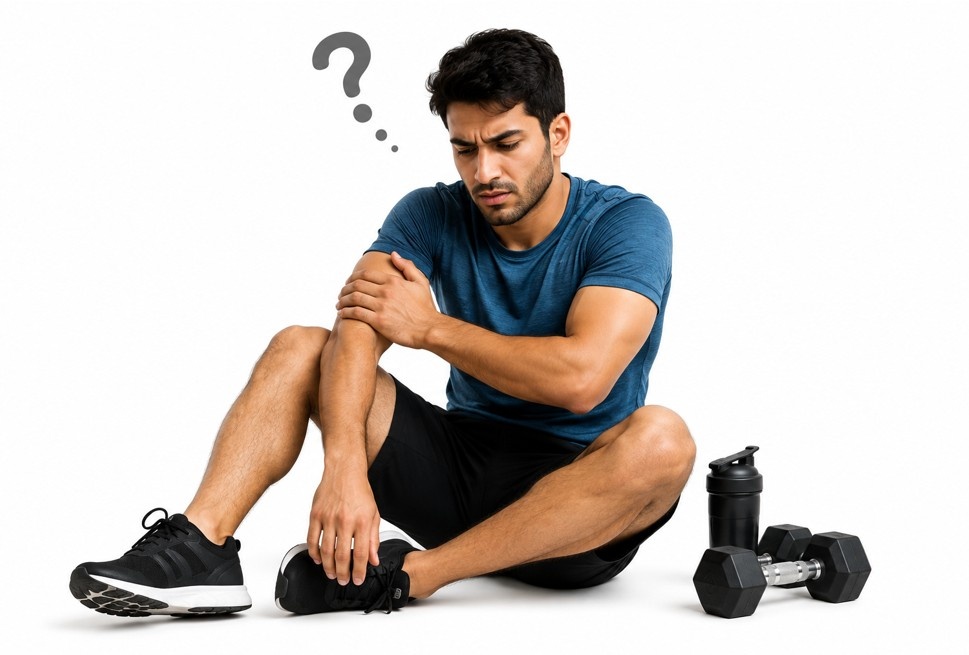
Soreness gets treated like a badge of honor in gym culture. People post about barely being able to walk up stairs like it is something to celebrate. That mindset causes real confusion about what soreness is actually telling you.
The Two Types of Soreness Nobody Explains Clearly
There are two different kinds of muscle soreness, and most people lump them together without realizing they come from different causes.
| Type | When It Starts | What Causes It | How Long It Lasts |
|---|---|---|---|
| Acute soreness | During or right after exercise | Buildup of waste products in the muscle during hard effort | A few hours |
| Delayed onset muscle soreness (DOMS) | 12 to 24 hours after exercise | Small tears in muscle fibers from unfamiliar movement | One to three days, sometimes longer |
Acute soreness is the burning feeling you get mid-set, and it fades quickly once you stop moving. DOMS is the stiff, achy feeling that shows up the next morning and can linger for days, and it is the one most beginners are actually asking about.
What Is Actually Happening Inside Your Muscles
When you lift something heavier than usual, or move in a way your body is not used to, tiny tears form in the muscle fibers. This is not damage in the scary sense of the word. Cleveland Clinic explains that this soreness is often a sign your body is repairing and rebuilding muscle fibers after using them in a new way.
Your body responds to these tiny tears by sending in repair cells, clearing out the damaged tissue, and rebuilding the fibers slightly thicker and stronger than before. This cycle, repeated over weeks, is the entire basis of getting stronger. Soreness is simply the side effect you feel while that repair work happens.
Why New Exercises Cause More Soreness Than Familiar Ones
Your muscles get better at handling movements they already know. A workout you have done for months rarely leaves you as sore as the very first time you tried it, even at the same intensity.
- New exercises recruit muscle fibers in patterns your body has not adapted to yet
- Eccentric movements, like lowering a weight slowly, tend to cause more soreness than lifting it
- Switching training styles, such as moving from machines to free weights, often triggers fresh soreness
- Long breaks from training reset some of this adaptation, which is why soreness returns after time off
Which Muscles Get Sore Most Often and Why
Some muscle groups seem to announce their presence for days after a workout, while others barely register. This is not random, and it usually comes down to how those muscles get used in daily life versus in training.
| Muscle Group | Typical Soreness Level | Why |
|---|---|---|
| Quadriceps and hamstrings | High | Large muscles doing eccentric work during squats and lunges |
| Glutes | High | Rarely trained through a full range of motion outside the gym |
| Calves | Moderate to high | Small muscles handling repeated impact and stretch |
| Chest and shoulders | Moderate | Frequently used, but pressing movements still create new tension patterns |
| Biceps and triceps | Moderate | Smaller muscles that fatigue quickly under new loads |
| Core and abs | Low to moderate | Used constantly in daily movement, so soreness fades faster with training |
Leg day soreness gets talked about the most for a simple reason. Squats, lunges, and step-ups involve a lot of eccentric loading, where the muscle lengthens under tension, and this type of movement is one of the biggest triggers for delayed onset muscle soreness.
Why the Same Workout Feels Different in Different Muscles
Even within one workout, some muscles end up sorer than others. This usually comes down to how much eccentric work a muscle does, how large it is, and how often it gets challenged through a similar range of motion in everyday life.
- Muscles used mostly for stabilizing tend to feel it differently than muscles used for the main movement
- The last exercise in a workout, done when you are already fatigued, often causes more soreness than the first
- Muscles trained through a longer range of motion, like a deep squat versus a partial one, tend to get sorer
Soreness After Different Types of Training
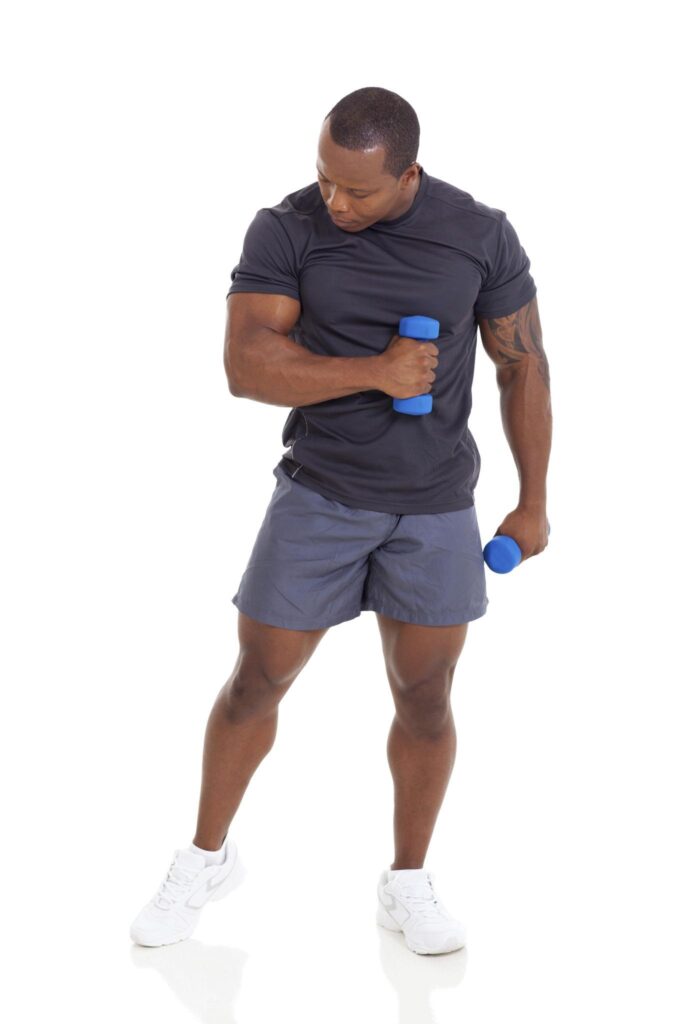
Not every workout produces the same kind of soreness, and knowing what to expect from each style helps set realistic expectations.
- Strength training with heavier weights and lower reps tends to cause noticeable DOMS, especially in the first few weeks
- High intensity interval training often causes a mix of acute burning during the session and DOMS the next day or two
- Steady cardio like jogging or cycling usually causes mild soreness unless the distance or pace is a big jump from your normal routine
- Yoga and mobility work can still cause soreness, often in areas people do not expect, since it stretches muscles into ranges they rarely use
- Bodyweight training, like push-ups or bodyweight squats done in high volume, can cause surprising soreness even without any added weight
People sometimes assume soreness only comes from lifting heavy weights, then get caught off guard by how sore a long yoga class or a bodyweight circuit leaves them. The soreness has nothing to do with how impressive the workout looks and everything to do with how unfamiliar the specific movement pattern is to your body.
Is Soreness Proof That a Workout Actually Worked
This is probably the most common misunderstanding in fitness. Soreness feels like proof of effort, but it is not a reliable measurement of whether a workout was effective.
A certified athletic trainer quoted by Henry Ford Health has pointed out that soreness can be a positive sign, but it is not something you need to chase every session to see progress. Strength, endurance, and muscle growth can all improve steadily even on days when you barely feel sore at all.
| Belief | What Is Actually True |
|---|---|
| No soreness means no progress | Muscles adapt over time and stop reacting as strongly to familiar exercise |
| More soreness always means a better workout | Soreness reflects how unfamiliar the movement was, not how effective it was |
| You must feel pain to build muscle | Consistent training with gradual overload builds muscle with or without soreness |
Chasing soreness as a goal often leads to overtraining, poor recovery, and eventually skipped workouts because everything hurts too much to move properly. A steadier approach, where soreness is expected sometimes and absent other times, tends to build far more consistent progress over months and years.
The Normal Timeline of Muscle Soreness
Knowing what to expect day by day helps you tell normal soreness apart from something that needs attention.
- Day one: little to no soreness, sometimes a dull tiredness in the muscle
- Day two: soreness usually builds and often feels worse than the day before
- Day three: soreness typically peaks, especially after leg or back focused workouts
- Day four to five: soreness starts fading, movement gets easier
- Beyond one week: soreness lingering this long is unusual and worth paying attention to
Everyone moves through this timeline slightly differently. Age, sleep quality, hydration, and how new the exercise was can all shift the timing a little earlier or later, so treat these days as a general guide rather than a strict rule.
This pattern lines up with what most medical sources describe. Cedars-Sinai notes that this type of soreness typically peaks around one to three days after exercise before gradually easing off.
When Soreness Is Not Normal: Warning Signs to Take Seriously
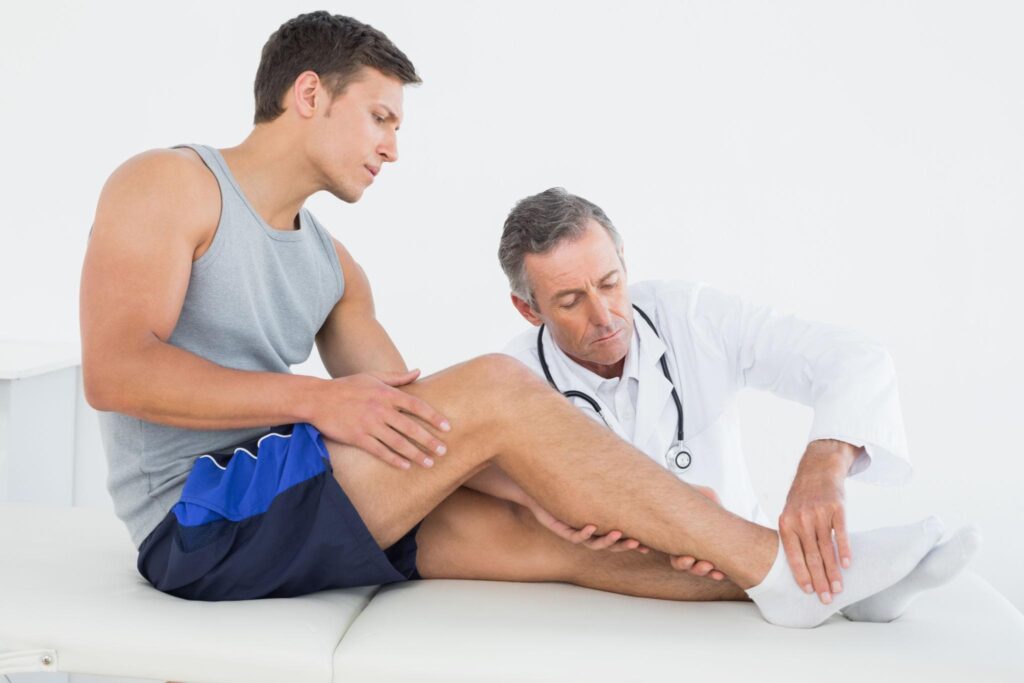
Most soreness is harmless, but a small number of cases point to something more serious. Knowing the difference matters far more than knowing recovery tricks.
- Pain that starts immediately during exercise rather than the next day
- Swelling that looks unusual compared to normal muscle tightness
- Dark, tea colored urine after an intense workout
- Muscle weakness so severe you cannot lift your arms or walk normally
- Soreness that keeps getting worse instead of fading after three or four days
- Pain concentrated in one small spot rather than spread across the muscle you trained
These signs can point toward rhabdomyolysis, a rare but serious condition where muscle tissue breaks down faster than the body can safely process it. The CDC lists muscle pain, dark urine, and unusual weakness or tiredness as key symptoms to watch for, and recommends seeking medical attention if any of these appear after intense exercise.
Who Is Most at Risk
Rhabdomyolysis is uncommon, but certain situations raise the risk enough to be worth knowing about.
- Returning to intense exercise after a long break
- Extremely high repetition workouts with little rest between sets
- Exercising in very hot weather without enough water
- Pushing through pain instead of stopping when something feels wrong
- Combining intense exercise with certain supplements or medications without knowing how they interact with hard training
- Wearing heavy, non-breathable clothing during intense workouts in hot conditions, which raises body temperature further
Mayo Clinic has noted that paying attention to your body during exercise and staying within your limits is one of the simplest ways to lower this risk. This does not mean avoiding hard training altogether. It simply means building up intensity gradually instead of jumping straight into your hardest possible session on day one.
Common Mistakes Beginners Make With Soreness
A lot of frustration around soreness comes from a handful of repeated mistakes, not from bad luck.
- Doing far too much volume on the very first day back to training
- Skipping the next several workouts entirely instead of moving gently
- Assuming soreness means an exercise is bad and avoiding it forever
- Taking pain relievers before working out just to push through more reps
- Comparing your soreness level to someone else’s, ignoring that everyone adapts differently
- Stretching aggressively while muscles are still sore, which can add irritation instead of relief
- Doubling up on two hard leg days back to back before the first has fully recovered
- Icing sore muscles immediately after every workout as a habit, even though this is more useful for injuries than normal soreness
- Assuming a rest day means doing nothing at all, when a short walk or light stretching usually helps more
Fixing these mistakes does more for long term progress than any recovery product ever will. Most of them come from good intentions taken too far, like caring so much about recovery that you accidentally slow it down.
How to Work Out Again While Still Sore
You do not need to wait until soreness disappears completely before training again. In most cases, light movement actually helps.
| Soreness Level | Suggested Approach |
|---|---|
| Mild, barely noticeable | Train normally, no changes needed |
| Moderate, noticeable during movement | Train the same muscle lightly or switch to a different muscle group |
| Severe, limits normal movement | Rest that muscle group, light walking or stretching only |
Hinge Health physical therapists have suggested that gentle movement, such as a slow walk, can actually help ease soreness rather than make it worse. The key difference is intensity, not whether you move at all.
How Soreness Changes as You Get Fitter
New trainees are often surprised when soreness fades even though their workouts get harder. This is a completely normal part of adaptation, not a sign that training has stopped working.
- Early weeks often bring the most soreness as the body adjusts to new stress
- Soreness gradually reduces as connective tissue and muscle fibers get used to the movement pattern
- Advanced lifters can still feel sore, usually after trying new exercises or increasing weight sharply
- A sudden return of intense soreness after months of little soreness usually means something changed, like volume, intensity, or a new movement
This is one reason relying on soreness to judge progress becomes less useful the longer you train. A better long term approach looks at strength gains, how clothes fit, and changes in body composition instead.
Tracking Progress Beyond How Sore You Feel
Soreness tells you almost nothing about whether you are building muscle or losing fat. It only tells you that a movement was unfamiliar or demanding.
A more reliable way to track real progress is watching changes in lean body mass over time. This is where a fat free mass index calculator becomes genuinely useful, since it looks at how much of your body weight comes from muscle rather than fat.
Many beginners assume constant soreness equals muscle growth, then feel discouraged when the scale barely moves. Checking your FFMI every few weeks gives a clearer, calmer picture of whether your training is actually working, regardless of how sore you feel on any given day.
Foods and Habits That Support Muscle Recovery

What you do outside the gym has a bigger impact on recovery speed than most people expect.
- Eating enough protein throughout the day to support muscle repair
- Drinking enough water, since dehydrated muscles tend to feel stiffer
- Getting consistent sleep, since most muscle repair happens during deep sleep
- Warming up properly before workouts rather than jumping straight into heavy sets
- Cooling down with light movement after a hard session instead of stopping abruptly
- Managing stress where possible, since chronically high stress can slow the body’s repair processes
None of these habits eliminate soreness completely, and that is fine. The goal is supporting recovery, not preventing every ache after a hard workout.
Simple At-Home Relief Tips for Sore Muscles Muscle Soreness After Workout
For normal, mild to moderate soreness, a few simple habits can make daily movement more comfortable while your muscles repair themselves.
- A short, easy walk to keep blood flowing without adding strain
- Gentle stretching once the sharpest soreness has passed, not during the first day
- A warm shower or bath to loosen tight muscles
- Light massage or foam rolling on the affected area, done gently rather than aggressively
- Over the counter pain relief used occasionally, not as a daily habit
Mass General Brigham has noted that low level activity may be one of the more effective ways to ease healthy muscle soreness compared to staying completely still. Complete rest is rarely the fastest path back to feeling normal.
FAQs
Is it normal to feel sore two days after a workout instead of the next morning?
Ans: Yes, this is actually the most common pattern. Delayed onset muscle soreness typically peaks between 24 and 72 hours after exercise, so feeling worse on day two is expected.
Should I stop working out completely until soreness goes away?
Ans: Not usually. Light movement and gentle activity for the sore muscle group, or training a different muscle group entirely, is generally better than complete rest.
Does stretching before a workout prevent soreness the next day?
Ans: Stretching helps with flexibility and warming up, but research has not shown it reliably prevents delayed onset muscle soreness. Gradually increasing workout intensity matters more.
Why am I sore after cardio but not after lifting weights, or the other way around? Soreness depends on the type of movement and how unfamiliar it is to your body, not whether it is cardio or strength training. New or unusually intense movement of any kind can cause soreness.
Can soreness mean I am not eating enough protein?
Ans: Low protein intake can slow muscle repair and make recovery feel harder, but soreness itself is mainly caused by unfamiliar or intense movement rather than diet alone.
How do I know if soreness is DOMS or an actual injury?
Ans: DOMS spreads across a muscle and gradually improves within a few days. Sharp, localized pain that starts immediately during exercise, or pain that gets worse over time instead of better, points toward a possible injury and is worth having checked.
Will soreness eventually go away completely as I get more experienced?
Ans: Soreness becomes less frequent and less intense as your body adapts, but it can still return whenever you try something new or push past your usual training limits, even for experienced lifters.
Can I use an FFMI calculator to check if soreness is turning into real muscle gain?
Ans: Yes, checking your fat free mass index every few weeks is a more reliable way to see whether your training is building muscle than judging progress by how sore you feel after each session